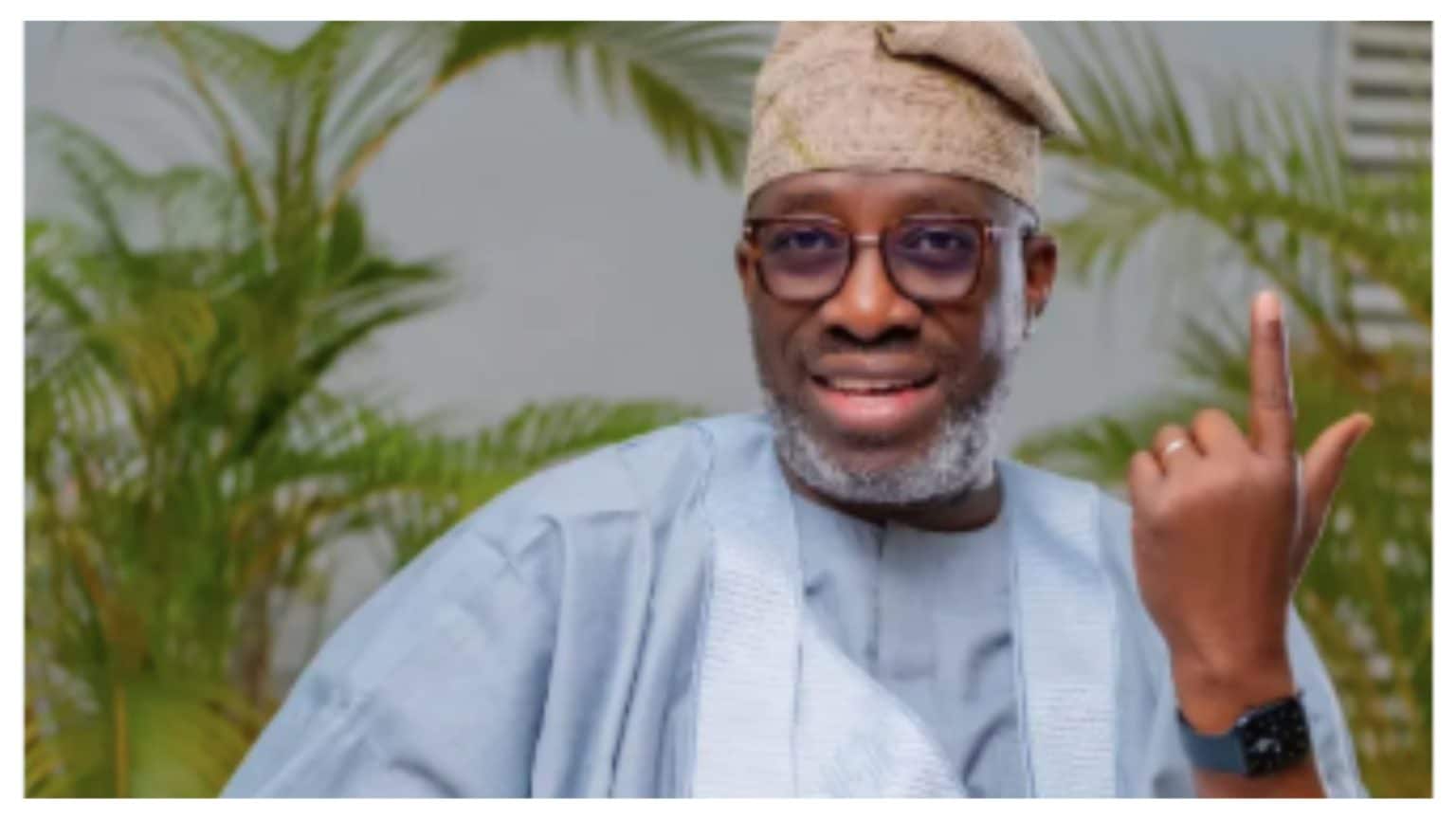

The Convener of The Alternative, Segun Sowunmi, has disclosed his discussion with senior United States lawmakers.
Sowunmi told Punch that he had a high-level engagement with senior U.S. lawmakers that included Congressman Riley Moore, who is a key member of Congress, currently engaged in issues concerning Nigeria regarding its security challenges.
According to him, the meeting took place in the United States, explaining that the US views Nigeria’s internal crisis with unprecedented seriousness, describing Washington’s posture as “firm, focused, and deeply concerned.”
Sowunmi quoted Moore saying that the Nigerian Presidency may be underestimating the gravity of the worsening security situation across the country, especially in the North.
Moore, Showunmi also disclosed, emphasised the need for Nigeria to be sincere with the United States in tackling the country’s worsening security and humanitarian situation.
Sowunmi said the American authorities have conducted extensive consultations with government and civil society stakeholders both in Washington and in Nigeria.
Their conclusion, he said, is that the situation in several regions, particularly Benue, Plateau, Southern Kaduna, the Middle Belt, and among moderate Muslim communities in the North, has escalated beyond normal security concerns.
He stated that the humanitarian impact of the violence has drawn significant global attention, with the U.S. no longer treating the matter as a political dispute but as a “structural crisis with far-reaching implications.”
Sowunmi noted that the United States is willing to support Nigeria but expects the government to demonstrate sincerity and seriousness in addressing the crisis.
“They are not interested in political spin, denial, or internal blame-shifting,” he said, adding that Washington wants to see decisive actions taken domestically.
Sowunmi stressed that the international community is increasingly aware of inconsistencies in Nigeria’s communication, noting that the real danger is in “Nigeria losing control of its own narrative.”
The briefing also highlighted internal factors undermining national credibility, including fragmented messaging, avoidance of responsibility, rising ethnic rhetoric, and inconsistent communication.
These issues, Sowunmi warned, are eroding public trust and weakening Nigeria’s standing before the international community.
“If we lose control of the narrative and the reality on the ground continues to deteriorate, external actors will define the Nigerian situation for us,” he cautioned.