


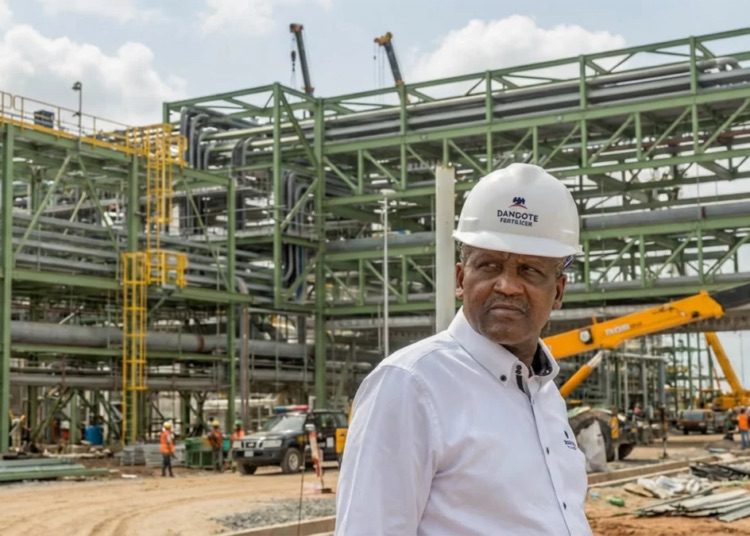
Dangote Refinery: Nigeria’s Shift From Importer to Global Fuel Exporter
Nigeria’s energy sector is undergoing a historic transformation as the Dangote Refinery begins to reshape the country’s position in global petroleum markets. For decades, Nigeria has been paradoxically known as one of the world’s largest crude oil producers while relying heavily on imported refined fuel. That narrative is now changing.
Ending Decades of Fuel Dependency
The commissioning and scaling of the Dangote Refinery marks a turning point in Nigeria’s industrial history. With massive refining capacity, the facility is designed to process large volumes of crude oil domestically, reducing the need for imported petrol, diesel, and aviation fuel.
This shift addresses one of Nigeria’s most persistent economic inefficiencies: exporting raw crude oil and importing refined products at higher costs.
Rising Production and Export Potential
Recent developments indicate that the refinery is beginning to produce surplus refined products, particularly diesel and jet fuel. This surplus opens the door for Nigeria to re-enter global fuel markets not just as a crude exporter, but as a refined petroleum supplier.
This transition could significantly improve Nigeria’s trade balance and foreign exchange earnings.
Economic Implications for Nigeria
The refinery’s impact goes far beyond energy production. It has the potential to:
- Strengthen Nigeria’s foreign exchange reserves
- Reduce pressure on fuel import bills
- Create thousands of direct and indirect jobs
- Stimulate growth in logistics, shipping, and petrochemicals
- Encourage industrialization around energy supply chains
For a country heavily dependent on oil revenue, this diversification within the oil sector itself is strategically important.
Challenges That Still Exist
Despite its promise, the refinery faces challenges including crude supply stability, regulatory alignment, infrastructure bottlenecks, and global price competition. Additionally, ensuring efficient distribution within Nigeria remains critical for domestic stability.
Without effective policy coordination, even large-scale infrastructure projects can underperform.
A Shift in Economic Identity
Perhaps the most important aspect of the Dangote Refinery is symbolic: Nigeria is transitioning from a raw exporter economy to a value-added industrial producer. This shift aligns with long-standing economic recommendations from development experts.
Instead of exporting crude wealth and importing finished products, Nigeria is beginning to capture more value within its own borders.
Final Thoughts
The Dangote Refinery represents one of the most significant industrial developments in modern Nigerian history. If sustained properly, it could redefine Nigeria’s role in global energy markets and strengthen its economic independence.
However, long-term success will depend on efficiency, governance, and consistent policy support.