

Africa’s Youth Skills Revolution: Building the Workforce of the Future
Across Africa, a major transformation is underway. Governments, development organizations, and private sector leaders are investing heavily in youth skills development as a foundation for long-term economic growth.
The Demographic Advantage
Africa has the youngest population in the world. This presents both an opportunity and a challenge. While a young population can drive innovation and economic expansion, it also requires massive job creation and skills development systems to prevent unemployment crises.
The Skills Gap Challenge
One of the biggest barriers to economic progress in Africa is the mismatch between education systems and labor market needs. Many graduates lack the technical, digital, and entrepreneurial skills required in today’s global economy.
This gap has led to rising youth unemployment in many countries, including Nigeria.
The Push for Digital and Technical Training
In response, new initiatives across the continent are focusing on:
- Digital literacy and coding
- Entrepreneurship and startup training
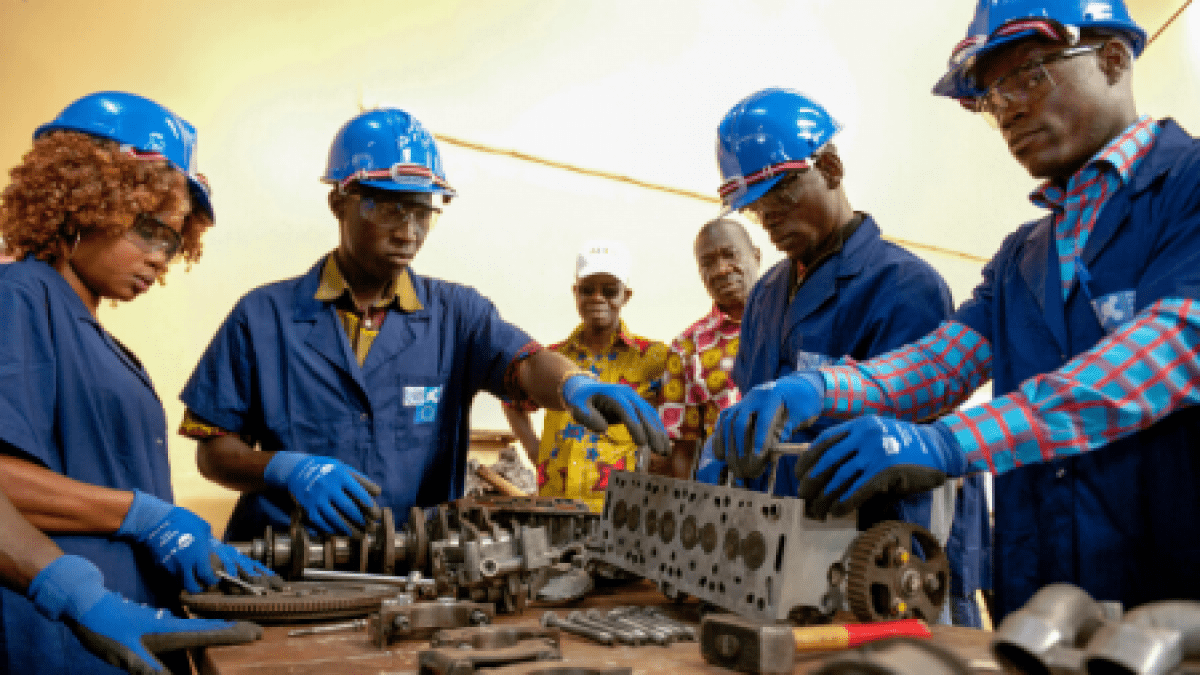
- Technical and vocational education
- Remote work readiness programs
- Innovation hubs and incubators
These programs aim to equip young Africans with skills aligned to the modern economy.
Why Nigeria Is Central to the Strategy
As Africa’s largest economy, Nigeria plays a critical role in shaping continental outcomes. With its large youth population and growing tech ecosystem, Nigeria is positioned as a potential hub for digital innovation and entrepreneurship.
However, success depends on access to quality education, infrastructure, and supportive policy environments.
The Future of Work in Africa
Global labor markets are shifting toward digital-first industries. Remote work, artificial intelligence, digital marketing, software development, and content creation are becoming key employment sectors.
Africa’s ability to compete globally will depend on how quickly it adapts to these changes.
Final Thoughts
Africa’s youth skills revolution is not just a development initiative—it is an economic necessity. Countries that invest early in digital education, entrepreneurship, and innovation ecosystems will define the continent’s future.