

Nigeria Faces Security Challenges, Economic Shifts, and Expanding Global Engagement
Nigeria is currently navigating a complex period marked by rising security concerns, economic reforms, and increased diplomatic activity, reflecting both the challenges and opportunities shaping the nation in 2026.
Security remains a major issue across the country. Attacks linked to groups such as Boko Haram continue to affect parts of the northeast, particularly in areas around Maiduguri, where recent incidents have disrupted communities and raised renewed concerns. Reports of violence have also emerged in other regions, including parts of Kwara State, indicating that insecurity is no longer confined to a single zone.
In response, Nigeria’s military has intensified operations, recording some tactical successes in repelling attacks and neutralizing armed groups. However, the persistence of these incidents highlights the scale of the challenge and the need for sustained, coordinated security strategies across federal and local levels.
Alongside security concerns, Nigeria’s economic direction is undergoing significant transformation. The Nigerian National Petroleum Company has announced plans to increase oil production in a bid to strengthen national revenue and improve the country’s position in global energy markets. This move comes as Nigeria continues to leverage its oil sector as a key driver of economic growth.
The introduction of new crude oil grades for export further reflects efforts to diversify production and attract international buyers. While these developments signal progress at a national level, many citizens continue to feel the pressure of rising living costs, particularly in fuel pricing and transportation, which remain sensitive issues within the domestic economy.
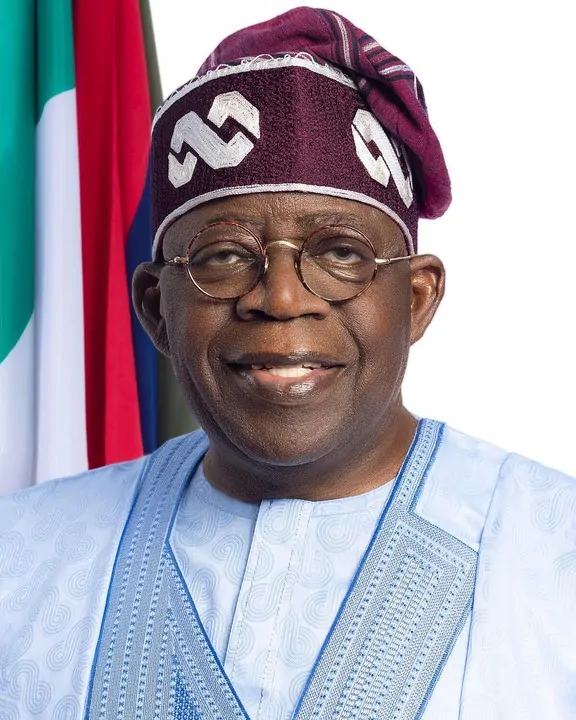
On the international front, Nigeria is actively strengthening diplomatic ties. President Bola Ahmed Tinubu has engaged in high-level discussions with global partners, including a notable meeting with King Charles III during a recent visit to the United Kingdom. The visit focused on enhancing cooperation in trade, infrastructure, migration, and security areas seen as critical to Nigeria’s development and global positioning.
Financial reforms are also underway, with the Central Bank of Nigeria implementing stricter monitoring systems to combat fraud and improve transparency within the banking sector. These policies are aimed at strengthening trust in financial institutions while aligning Nigeria with international financial standards. However, they also introduce tighter controls that may affect transaction processes for individuals and businesses.
Meanwhile, the government continues to balance administrative duties with national and cultural responsibilities. The declaration of public holidays for Eid al-Fitr underscores Nigeria’s religious diversity and commitment to national unity. Beyond celebrations, ongoing policy discussions and security consultations remain central to the administration’s agenda as it seeks solutions to pressing national issues.
Overall, Nigeria stands at a critical crossroads. While efforts to boost economic output, strengthen diplomacy, and reform financial systems are underway, persistent security challenges continue to test the resilience of the nation. The coming months will be crucial in determining how effectively Nigeria can stabilize internally while advancing its long-term development goals.